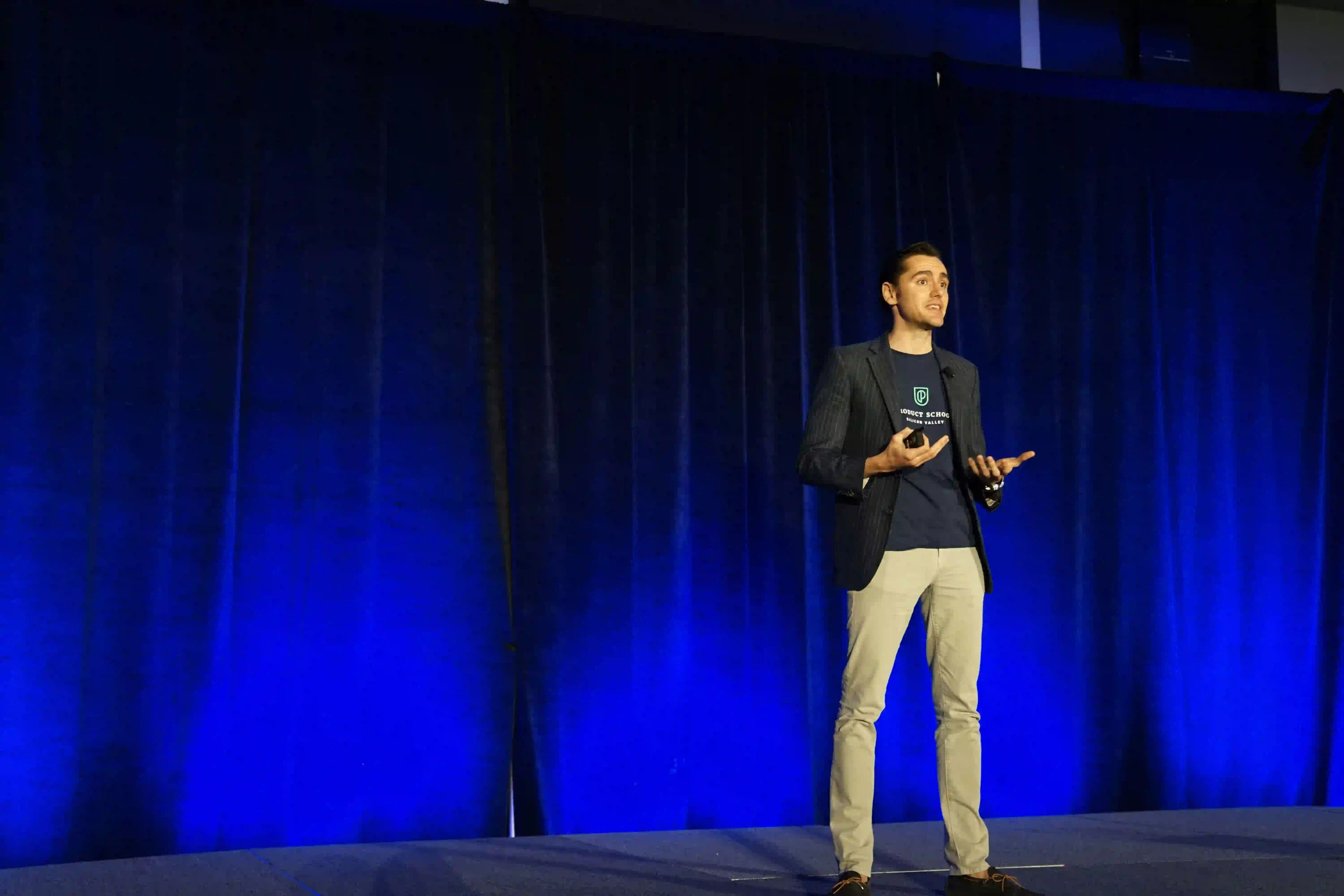
Jamie Reynolds
Career & MBA Coach
Let me take you back to 2020 - that strange, heavy year we all remember. basically I was managing a corporate finance team, trying to keep things running while my employees were scattered across locked-down apartments. On paper, we were hitting targets. But something wasn't right.
I noticed one employee - let's call him Johnny - was struggling. At first, I did what any by-the-book manager would do: more coaching, closer performance monitoring. But his work kept deteriorating until termination seemed inevitable.
Then a colleague mentioned they thought Johnny might be having personal issues. When I finally sat down with him - really sat down, without agenda or laptop - he opened up about crippling isolation, family worries overseas, and what turned out to be undiagnosed depression.
That conversation changed everything. Johnny got help, took medical leave, and eventually returned stronger. But it scared me how long I'd viewed him purely through spreadsheets before seeing the human behind the metrics.
Here's what I learned: Mental health isn't some abstract HR concept - it's the invisible context behind every employee's performance. And in our always-on work culture, we're terrible at spotting it.
Now I make space for real conversations: phone away, full attention on the person across from me. Not just when crisis hits, but consistently - because that's how you build trust before someone needs help.
We've all been there - staring at spreadsheets while our minds are elsewhere, forcing smiles in Zoom meetings when we're crumbling inside. The pandemic didn't create mental health challenges. it simply ripped off the bandage covering a wound that was always there. Johnny's story could be anyone's story - your top performer last quarter, the quiet intern in the corner office, maybe even you reading this right now.

Let's talk numbers - and these aren't just statistics, they're real people sitting at desks next to us:
| Mental Health Reality | Impact |
|---|---|
| 1-1.5 billion affected globallyHTML_TA_59_ | That's every 5th person you pass in the hallway |
| $1 trillion economic cost annually | Lost productivity isn't about laziness - it's pain |
| 10 year average delay in seeking help | A decade of silent suffering we could prevent |
Here's what I learned from Johnny's situation: performance reviews won't fix burnout, and KPIs can't measure despair. The solution starts much simpler:
The magic happens in those unstructured moments between agenda items. That coffee chat where someone mentions sleeping poorly. The offhand comment about "a rough weekend." These are the breadcrumbs leading us to opportunities for real support.
Whenever I discuss this topic, two objections always surface like clockwork:
"I'm not a therapist!" True - and neither am I. You don't need to diagnose or treat. Your role is simpler: notice, ask, listen, and guide toward professional help when needed.
"It's not my place to pry." Here's the uncomfortable truth: people drowning rarely scream for help. That "I'm fine" might be the heaviest lie someone carries all day. Asking isn't prying - it's throwing a lifeline.
The most dangerous workplace myth? Yet that productivity and humanity exist on opposite sides of some professional divide. They don't. Caring is strategy. Empathy is leadership. And mental health awareness? That's just good business.HTML__TAG_121_
Johnny's story hits close to home for many managers, but here's the uncomfortable truth: his experience wasn't unique. In fact, it represents millions of similar situations playing out in offices worldwide - most of which don't end as positively. Yet the pandemic may have amplified these issues, but mental health challenges in the workplace were always present; we just became better at ignoring them.

There's an invisible barrier in professional settings that makes discussing mental health feel taboo. Unlike physical injuries that come with visible markers (casts, crutches, bandages), psychological struggles manifest in ways that are:
The irony? We've created work cultures where taking time off for a back injury is completely acceptable, but requesting mental health days feels like admittig weakness. This double standard persists even though depression is now recognized as the leading cause of disability worldwide by the WHO.
Most leadership training preapres managers to evaluate employees through two lenses: productivity metrics and professional development. What's missing? The third, most crucial lens: human well-being.
When Johnny's performance started slipping, the instinctive response was coaching and scorecard reviews - standard management protocol. But here's what that approach misses:
The turning point came when someone shared context about Johnny's personal situation - information that never appears on any corporate dashboard. This highlights a critical gap in how we structure workplace relationships.
Cultivating an environment where mental health can be discussed openly doesn't happen through policy memos or annual training sessions. It grows from consistent, small actions:
The goal isn't to turn managers into therapists, but to create enough psychological safety that employees feel seen as whole human beings - not just productivity units.
Here's the uncomfortable reality: while we've made progress destigmatizing mental health in society, workplaces remain decades behind. Consider this contrast:
HTML_TAGG_209_The consequences of this stigma are devastating. And research shows people typically endure mental health symptoms for 10 years before seeking help. Imagine suffering any other health condition untreated for a decadde - it's unthinkable. So yet this remains standard practice with psychological struggles because we've trained people to hide rather than heal.
The solution starts with recognizing that mental health isn't a personal failing or workplace liability - it's simply part of being human. And like any other aspect of health, it deserves compassion, support and accommodation.
We often forget that behind every performance metric and quarterly report, there's a human being with complex emotions, personal struggles, and invisible battles. The workplace has traditionally been a space where we're expected to compartmentalize - to leave our personal lives at the door and show up as productivity machines. But life doesn't work that way.

While we obsess over visible workplace injuries, we routinely miss the silent crisis unfolding in plain sight. Consider these staggering realities:
The numbers tell a sobering story. Depression alone affects over 280 million people globally, while anxiety disorders impact nearly 300 million. Tese aren't just statistics - they're our colleagues sitting in adjacent cubicles, our team members on Zoom calls, the quiet intern who always eats lunch alone.
Here's the uncomfortable truth: most workplaces are still stuck in an outdated paradigm when it comes to mental health. We've created environments where:
The irony? Mental health issues cost businesses more than $1 trillion annually in lost productivity. Yet we continue treating them as personal problems rather than organizational priorities.
The solution isn't complicated corporate wellness programs or mandatory training modules. It begins with something much simpler yet profoundly powerful: human connection.
"But I'm not a therapist," you might say. True - and you don't need to be. The most impactful mental health support often comes from ordinary moments of genuine attention:
These small acts create psychological safety - the foundation upon which real mental health support can grow.
The modern manager's role must evolve beyond hitting targets and optimizing workflows. Today's leaders need to cultivate what I call "emotional radar" - the ability to notice subtle changes in behavior that might signal distress:
Catching these signs early can make all the difference between supporting recovery and managing turnover.
The workplace will never be therapy (nor should it be), but it can be - it must be - a space where struggling humans feel seen, supported, and safe enough to ask for help when they need it.
Johnny’s story is a powerful reminder that performance metrics alone don’t define a person, or their struggles. Behind every employee, student, or colleague is a human being who may be silently grappling with challenges we can’t see. And the pandemic amplified this reality, but the truth is, mental health has always been an invisible battleground for millions.
1. Empathy over efficiency: A two-minute check-in can reveal more than months of performance reviews. When we prioritize genuine connection, we create spaces where people feel safe to share, or simply be heard.
2. But small actions create cultural shifts: Turning off notifications during conversations, asking “How are you?” with intention, and resisting the urge to pivot straight to work topics may seem minor, but these habits normalize vulnerability in environments that often stigmatize it.HTM_TAG_338_
3. Mental health is everyone’s responsibility: You don’t need a psychology degree to recognize when someone’s struggling. Often, the first step is simply showing up, without judgment or unsolicited advice.
The $1 trillion global cost of untreated mental health issues isn’t just an economic statistic, it’s a reflection of human suffering we can mitigate. Whether in offices, classrooms, or friend groups, we need to replace silence with intentional dialogue. Start today: put down your phone, look someone in the eye, and ask with sincerity: "How are you, really?"
The next Johnny in your life shouldn’t have to wait until their performance crumbles to be seen as a person first.
Get the latest articles delivered to your inbox