Emily Carter
GMAT Sprint Contributor
I've always been fascinated by how medicine evolves, not just through groundbreaking new discoveries, but by finding new uses for old treatments. But it's like discovering hidden rooms in a house you've lived in for years. The concept of drug repurposing isn't new (who hasn't heard about Viagra's journey from heart medication to... well, you know), but what is revolutionary is how artificial intelligence is turbocharging this process.
Here's the thing that keeps me up at night: we have about 4,000 approved drugs and around 18,000 human diseases. That's roughly 75 million potential pairings, most of which have never been properly studied. Why? Because frankly, it's overwhelming for human researchers, and there's little financial incentive to explore new uses for generic drugs.
(Side note: Did you know 80% of drugs are already generic? That means we're sitting on a mountain of potentially life-saving treatments that no one's bothering to investigate further.)
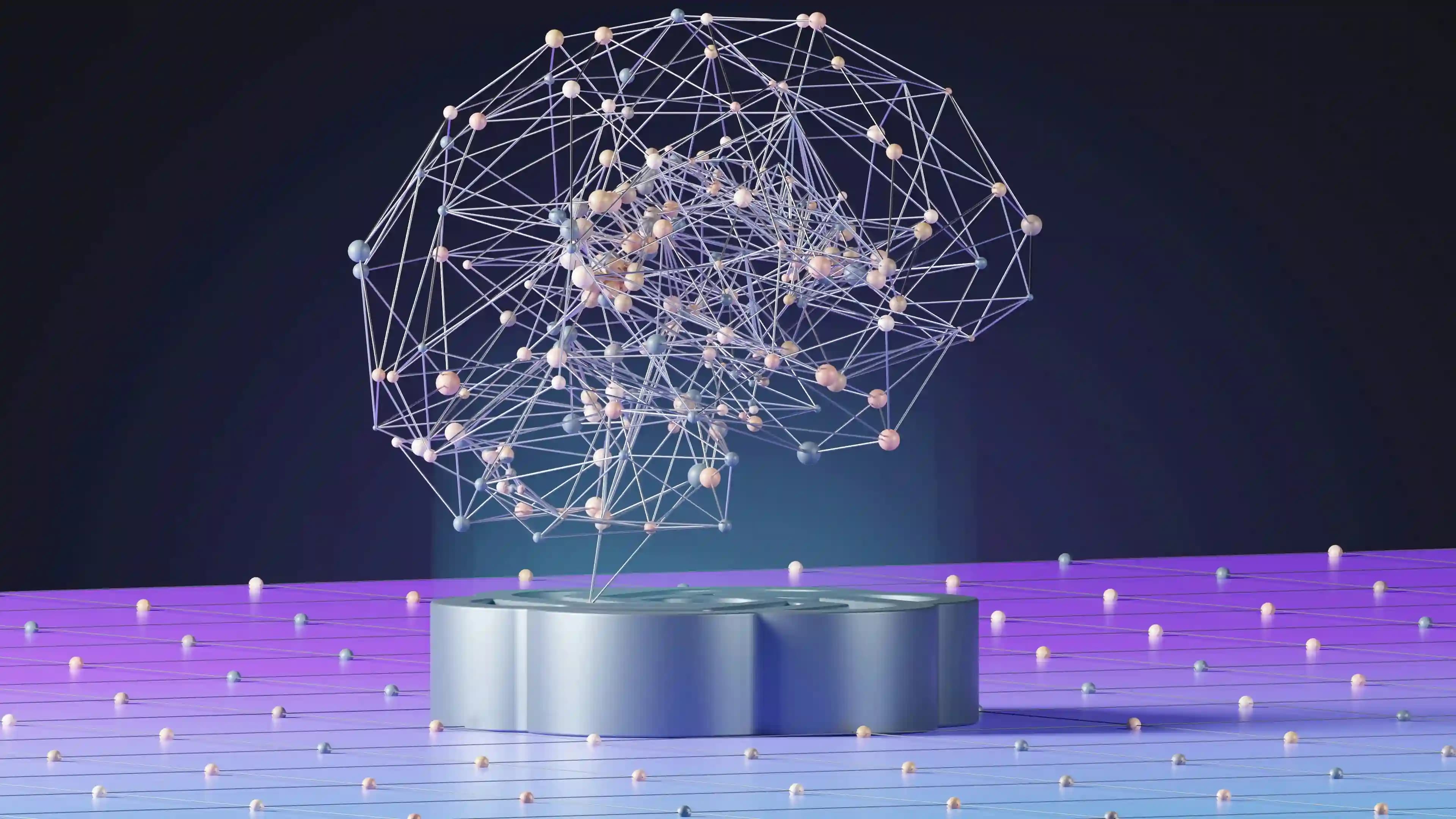
Recent advances in AI technology, particularly what researchers call "biomedical knowledge graphs", are changing the game. These systems can analyze all known information about drugs, diseases, proteins, and genes - then predict which existing medications might help with conditions they weren't originally designed for.
The numbers are staggering:
(Here's where I get a bit philosophical.) The beauty of this approach isn't that AI replaces doctors - far from it. What excites me is how it acts as a spotlight, highlighting promising connections that human researchers can then investigate further. Sometimes it reveals completely novel treatments. other times it rediscovers forgotten therapies that fell through the cracks because they weren't profitable enough to pursue.
The most inspiring part? So nonprofits like Every Cure are working to make these insights freely available worldwide - because when it comes to saving lives, information shouldn't be locked behind paywalls.
Drug repurposing isn't just about finding new uses for old pills, it's about recognizing that many diseases share underlying biological mechanisms. Viagra, originally developed for heart conditions, now treats a rare pediatric lung disease called pulmonary arterial hypertension. Similarly, thalidomide, once infamous for causing birth defects, was repurposed for leprosy and multiple myeloma. These aren't exceptions, they're proof that our medicine cabinets hold untapped potential.

The challenges are both financial and technical:
Artificial intelligence allows researchers to analyze all 4,000 approved drugs against all 18,000 known human diseases simultaneously, that's 75 million potential treatment combinations. So the process involves:
| Stage | Traditional Approach | AI-Powered Approach |
|---|---|---|
| Initial Screening | Months per drug-disease pair | 17 hours for all combinations (down from 100 days) |
| Discovery Rate | Occasional breakthroughs by chance | Systematic identification of high-probability matches |
| Evidence Review | Limited to published studies | Includes overlooked clinical data and biochemical patterns |
The AI doesn't just find novel treatments, it also rediscovers forgotten ones. For example:
The technology isn't replacing doctors, it's giving them better tools. By scoring drug-disease pairs from 0 to 1 based on predicted effectiveness, clinicians can focus their investigation on the most promising candidates.
While AI identifies broad possibilities, personalization remains key. Consider autism treatment with leucovorin:
The future lies in combining these approaches, using AI's pattern recognition alongside physician expertise to match patients with existing treatments they'd never otherwise receive.
Finding new uses for existing medications isn't just about scientific discovery, it's about rethinking how we approach medicine altogether. While drug repurposing has been around for decades (tthink Viagra's journey from heart medication to ED treatment), the process has traditionally been slow, expensive, and limited by human capacity to analyze data. That's where artificial intelligence changes everything.

The pharmaceutical industry faces a fundamental problem: 80% of approved drugs are now generic, meaning there's little financial incentive for companies to research new applications. As one expert put it, "You could sell millions more doses of a generic drug and you might make thousands of dollars, maybe." The economics simply don't support traditional research and development approaches for these widely available, affordable medications.
Beyond financial barriers, the sheer volume of possible drug-disease combinations makes manual analysis impractical. With approximately 4,000 approved drugs and 18,000 known human diseases, that creates 75 million potential pairings to evaluate, an impossible task for human researchers alone.
Modern AI systems approach this challenge differently by creating what's called a "biomedical knowledge graph", a comprehensive map connecting all known information about drugs, diseases, genes, and proteins. The algorithm trains on thousands of known effective treatments (like siltuximab for Castleman disease), then scores every other possible combination from 0 to 1 based on predicted effectiveness.
The speed improvements have been staggering:
This acceleration allows researchers to focus human expertise where it matters most, validating the most promising AI-generated leads rather than spending years searching for them.
Interestingly, AI isn't just uncovering completely novel treatments, it's also resurfacing forgotten or underutilized therapies that showed promise but abandoned due to lack of profitability. One striking example involves autism spectrum disorder:
A medication called leucovorin (originally developed for chemotherapy side effects) has shown in three randomized controlled trials to improve verbal communication in children with autism who have specific folate deficiencies. Despite this evidence, the treatment remains largely unused because no company stands to profit significantly from promoting its off-label use.
"What's exciting," explains one researcher, "is that AI can both identify truly novel applications we'd never consider while also spotlighting existing but overlooked opportunities that deserve another look." This dual capability makes AI particularly valuable across the spectrum of medical innovation.
While AI excels at identifying broad drug-disease connections, human expertise remains essential for understanding which specific patients might benefit. Factors like:
"No drug wrks for everyone with a given disease," notes one physician-researcher. "AI gives us powerful starting points, but we still need clinicians and scientists to determine exactly who will benefit most." This nuanced understanding becomes especially critical when considering rare diseases where patient populations may have unique genetic or physiological characteristics.
A groundbreaking aspect of this work involves making these AI-generated insights freely available through an open-source platform. Within about a year, all 75 million drug-disease scores will be publicly accessible, allowing any researcher worldwide to query the system for their area of interest.
"We're democratizing discovery," says one project leader. "Instead of keeping these insights proprietary or limiting access based on funding or institutional affiliation, we're giving everyone equal opportunity to explore promising treatments." This approach represents a significant shft from traditional pharmaceutical research models toward more collaborative science aimed at maximizing public health benefit rather than profits.
Finding new uses for existing medications has always been a painstaking process - until now. Artificial intelligence is completely transforming how we approach drug repurposing, allowing researchers to analyze thousands of potential drug-disease matches simultaneously rather than one at a time.

The speed of discovery has accelerated dramatically. Where initial AI analysis of all possible drug-disease combinations once took 100 days, the same comprehensive evaluation now completes in just 17 hours. This exponential improvement means researchers can:
This approach has already yielded remarkable discoveries, like identifying TNF inhibitors as potential treatments for Castleman disease - a connection published in the New England Journal of Medicine.
The beauty of drug repurposing lies in working with medicines we already know well. These drugs have:
A perfect example is leucovorin for autism spectrum disorder. Three randomized controlled trials showed it improves verbal communication in certain children with autism who have specific folate deficiencies. Yet despite this evidence, adoption has been slow - precisely the kind of overlooked opportunity AI helps surface.
While AI accelerates discovery, significant hurdles remain in translating findings into patient care:
The key lies in viewing AI predictions as starting points rather than final answers. High-scoring matches still require rigorous human validation through laboratory studies and clinical trials before widespread adoption.
The most exciting development may be the move toward open-source sharing of these AI-generated insights. Soon, any researcher will be able to:
This democratization of discovery could accelerate breakthroughs across rare diseases that traditionally receive little research attention or funding.
Drug repurposing represents one of the most promising, yet historically underutilized, avenues in modern medicine. By leveraging artificial intelligence, we can now analyze thousands of existing drugs against tens of thousands of diseases in a fraction of the time it would take human researchers. This isn't just about efficiency; it's about uncovering hidden therapeutic potential in medications we already have, often at a fraction of the cost of developing new treatments.
1. AI accelerates discovery: What once took months or years can now be analyzed in hours, identifying high-probability drug-disease matches that humans might overlook.
2. Existing drugs hold untapped potential: Many generic medications could treat conditions beyond their original purpose, we just lacked the tools to systematically explore these possibilities until now.
3. The future is collaborative: While AI provides powerful predictions, human expertise remains essential for clinical validation and personalized treatment approaches.
4. Open access drives progress: Democratizing drug repurposing data empowers researchers worldwide to explore new treatment avenues, particularly for rare and neglected diseases.
The intersection of AI and drug repurposing represents more than just technological advancement, it's a fundamental shift in how we approach disease treatment. By combining computational power with medical expertise, we're entering an era where affordable, accessible treatments for challenging conditions may be hiding in plain sight, waiting to be discovered through this innovative approach.
The path forward requires continued collaboration between technologists, clinicians, and patients, but the potential to transform lives makes this one of the most exciting frontiers in modern healthcare.
Get the latest articles delivered to your inbox