Jessica Reynolds
GMAT Sprint Contributor
What if I told you there's one simple habit that could boost your mood, sharpen your focus, and even protect your brain from conditions like depression and Alzheimer's? But and what if this wasn't some futuristic technology, but something as basic as moving your body?
I'll be honest, I didn't always appreciate exercise. As a neuroscientist buried in research, I spent years studying memory while completely neglecting my own health. My wake-up call came during a river-rafting trip where I realized, embarrassingly, that I was the weakest person there. That moment sparked a journey that would change both my body and my understanding of the brain.
When I started exercising regularly, something remarkable happened. Beyond the expected physical changes, I noticed my mental clarity improved dramatically. My notoriously painful grant-writing sessions became... well, not exactly enjoyable, but certainly more productive. My memory, the really thing I studied professionally, seemed sharper than it had in years.
Turns out, what I experienced wasn't just anecdotal. Exercise triggers immediate changes in your brain chemistry, boosting neurotransmitters like dopamine and serotonin that elevate mood and focus. But the truly transformative effects come with consistency:
The best part? You don't need marathon training to reap these benefits. Even brisk walking or taking stairs can make a difference when done consistently. After seeing these changes in myself and through research, I became convinced: movement might be the single most powerful tool we have for brain health.
Let's dive into what actually happens inside your brain when you get moving. As someone who spent years studying neuroscience, I can tell you the effects are nothing short of remarkable. We're not just talking about a temporary mood boost - though that's certainly part of it - but actual structural changes that can protect your cognitive function for decades.

Here's something fascinating: a single workout can change your brain chemistry within minutes. When you get your heart pumping, your brain gets flooded with three crucial neurotransmitters:
| Neurotransmitter | Effect |
|---|---|
| Dopamine | Enhances motivation and pleasure |
| Serotonin | Regulates mood and reduces anxiety |
| Noradrenaline | Sharpens focus and alertness |
But wait, there's more. Research shows these immediate effects aren't just about feeling good. After exercise, people demonstrate:
Now for the really exciting part. Wihle the immediate effects are impressive, the real magic happens with consistent exercise over time. Two critical brain areas undergo remarkable changes:
The hippocampus, your memory center, actually grows new brain cells through a process called neurogenesis. This isn't just theory - MRI scans show exercisers have significantly larger hippocampal volumes than their sedentary peers.
The prefrontal cortex, responsible for decision-making and focus, becomes more efficient at processing information. Think of it like upgrading from dial-up to fiber optic internet in your brain.
What does this mean practically? People who exercise regularly experience:
I learned all this the hard way - through personal experience. As a neuroscience professor buried in research, I'd become what we jokingly call a "bench scientist" - glued to my lab equipment, barely moving except to pipette liquids or type data.
The wake-up call came during what should have been a simple river rafting trip. Surrounded by active friends, I realized I was struggling to keep up physically - and mentally exhausted despite being on vacation. That moment sparked a transformation.
Starting with basic gym classes (and yes, plenty of awkward moments), I gradually built an exercise routine. The changes weren't just physical - though losing those stubborn 25 pounds felt great. The real revelation came when I noticed my own research work improving:
The irony wasn't lost on me - here I was studying memory enhancement while accidentally discovering one of its most powerful tools through my own lifestyle change.
Let's cut to the chase - your brain thrives on movement. It's not just about getting fit or losing weight (though those are nice bonuses). When you exercise, you're essentially giving your brain a supercharged tune-up that works on multiple levels.

Here's something remarkable: a single workout session gives your brain an immediate upgrade. We're talking about neurotransmitters like dopamine and serotonin flooding your system - nature's own mood enhancers. Ever notice that post-workout clarity? That's not just endorphins talking.
The benefits don't stop there. But reaction times improve too, which explains why regular exercisers seem to have that cat-like reflexes when catching falling objects (or toddlers). Yet but these immediate effects are just the appetizer - the real feast comes with consistent training.
When you make exercise a habit, something extraordinary happens in your hippocampus - the memory center of your brain. We're not just talking about temporary chemical changes, but actual structural transformations:
The prefrontal cortex gets in on the action too, becoming more efficient at tasks requiring focus and decision-making. It's like upgrading your brain's operating system while simultaneously adding more RAM.
Perhaps most compelling is exercise's role as brain armor. Think of it this way: every workout deposits protective layers around your cognitive functions. While it won't make you immune to neurological conditions, it significantly strengthens your defenses:
The analogy I love is comparing regular exercise to contributing to a 401K for your brain - except this retirement account starts paying dividends immediately and doesn't charge any fees.
"Okay," you might be thinking, "how much sweat equity do I need to invest?" The sweet spot appears to be:
The beautiful part? You don't need fancy equipment or expensive gym memberships. Brisk walking counts. Taking stairs counts. Even vigorous housework can qualify if it gets your heart pumping consistently.
The science continues evolving as researchers explore how factors like age, genetics, and current fitness levels influence optimal exercise routines. Yet but one truth remains constant: movement is medicine for both body and mind.
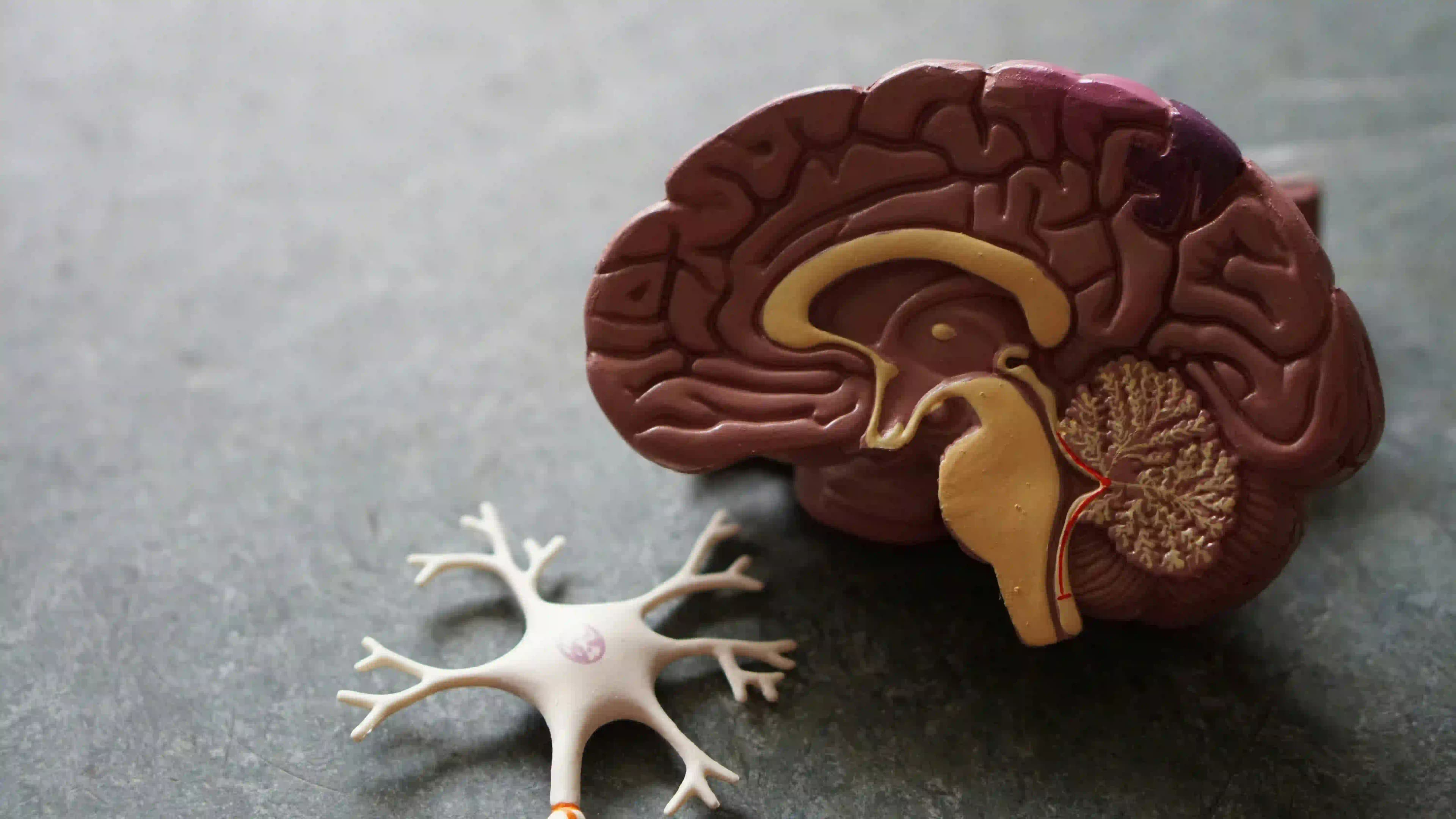
Let's cut straight to the chase: your brain is constantly reshaping itself, and physical activity is one of the most powerful sculpting tools available. As someone who spent years studying memory formation, I can tell you that what we once believed about the brain being static after childhood is completely wrong. The hippocampus, that seahorse-shaped region deep in your temporal lobe, is particularly fascinating because it keeps generating new neurons throughout life, especially when you give it the right stimulus.

Here's something remarkable: a single workout session can rewire your mental state within minutes. When you get your heart pumping, three key neurotransmitters flood your system:
While the immediate effects are impressive, the real magic happens with consistent movement. Here's what regular exercise actually does to your brain structure:
The hippocampus physically grows larger, which is incredible when you consider is ground zero for memory formation. MRI scans reveal that adults who exercise regularly have hippocampi that appear several years younger than their sedentary peers. Meanwhile, the prefrontal cortex, your brain's CEO, thickens, leading to better decision-making and impulse control.
What most people don't realize is that these two regions are also the most vulnerable to age-related decline. Think of exercise as compound interest for your neural real estate, the more you invest now, the bigger your cognitive safety net becomes later.
I'll be honest, I didn't come to this understanding through research alone. Like many academics, I'd become what we jokingly call a "lab rat", spending 14-hour days hunched over microscopes while my own health deteriorated. The turning point came during a river rafting trip where I was embarrassingly out of shape compared to others half my age.
The gym became my new laboratory. At first, I hated every minute, my coordination was awful in dance classes, yoga made me feel like a stiff board, and kickboxing left me gasping for air. But something surprising happened around week three: I started craving workouts because of how they made my mind feel afterward. The brain fog lifted. My notoriously short attention span stretched longer. And yes, grant writing suddenly became... enjoyable (a miracle any researcher will appreciate).
Perhaps the mosst compelling case for regular exercise comes from its role as a neuroprotective agent. While it won't make you immune to conditions like Alzheimer's (genetics still play a role), it builds what scientists call "cognitive reserve", essentially creating backup systems in your brain.
The analogy I use with my students: imagine two identical cars hitting potholes at age 60. But one has worn shocks from sitting in a garage for decades; the other has reinforced suspension from regular road trips. Which do you think handles the bumps better?
The data shows active individuals develop dementia symptoms an average of 9 years later than their sedentary counterparts. When symptoms do appear, they progress more slowly because there's simply more healthy brain tissue to lose before deficits become noticeable.
If there’s one life-changing takeaway from all this, it’s that exercise isn’t just about physical health, it’s a direct investment in your brain. From boosting mood and focus within minutes to fortifying your memory and protecting against cognitive decline, movement is the closest thing we have to a magic bullet for mental well-being.
A single workout floods your brain with neurotransmitters like dopamine and serotonin, lifting your mood and sharpening focus. Over time, regular exercise rewires your brain’s structure, growing the hippocampus (your memory hub) and strengthening the prefrontal cortex (your decision-making center)). Most powerfully, it builds resilience against conditions like Alzheimer’s, not by preventing them entirely, but by giving your brain the tools to fight back harder and longer.
You don’t need marathon-level commitment. So hTML_TAG_353_Thirty minutes of aerobic exercise, three to four times a week, is enough to spark these changes. Walk, dance, take the stairs, what matters is consistency. So think of it as depositing into a brain savings account: every drop of sweat compounds over time.
The best part? This isn’t theoretical. It’s a choice you can make today. Your brain, and your future self, will thank you.
Get the latest articles delivered to your inbox